Mindfulness Coaching: Techniques for Everyday Calm
Understanding Mindfulness
Mindfulness is more than just a buzzword; it's a practice that encourages living in the present moment. By focusing on the here and now, mindfulness can reduce stress and improve overall well-being. At its core, mindfulness involves paying attention to thoughts and feelings without judgment.
Adopting mindfulness in daily life can lead to a profound transformation. It helps in creating a sense of inner peace, leading to a more balanced and calm existence. Here's how you can start incorporating mindfulness techniques into your everyday routine.
Simple Breathing Techniques
Deep Breathing
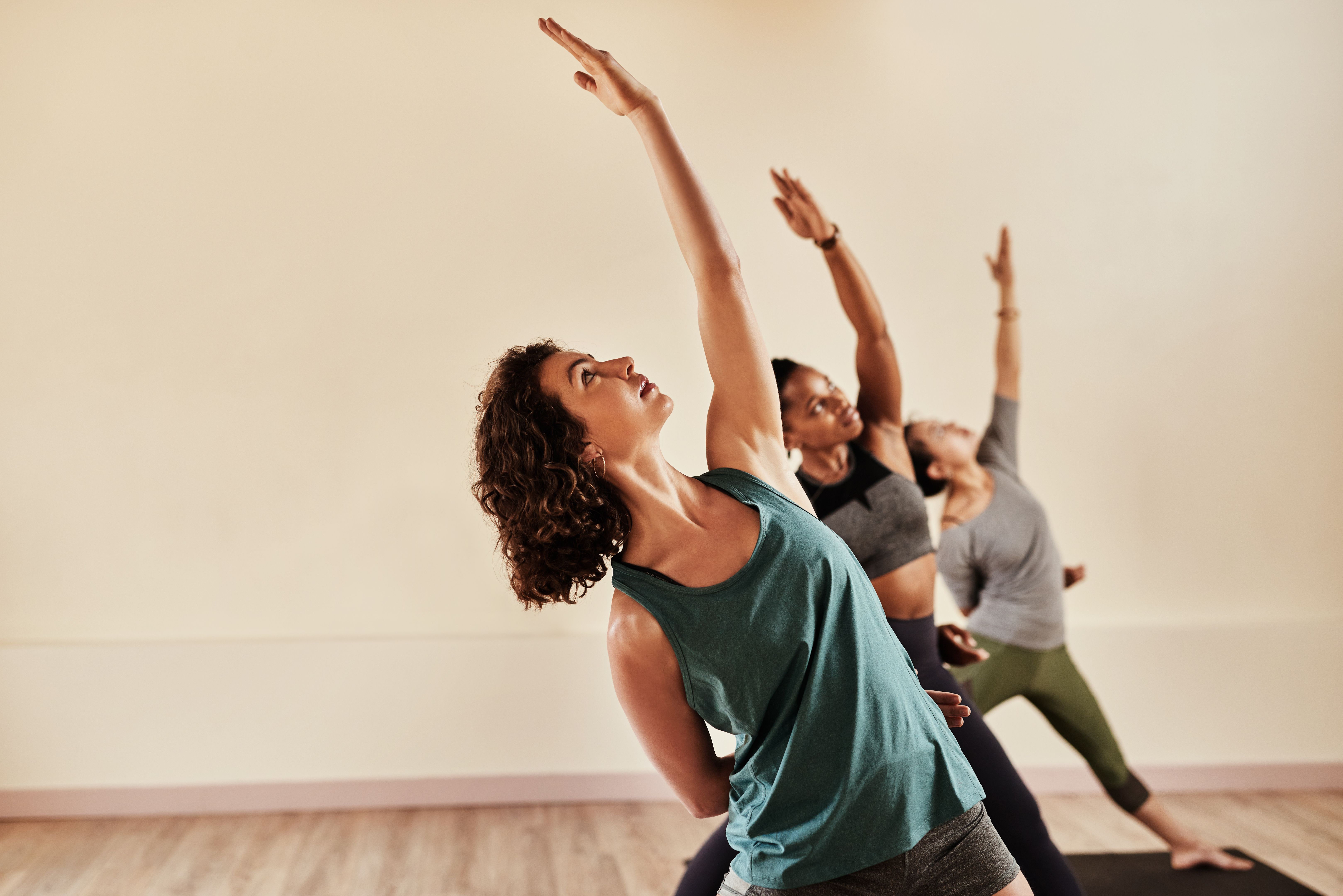
Deep breathing is a foundational mindfulness technique. It involves taking slow, deliberate breaths to center your mind and body. Begin by inhaling deeply through your nose, allowing your chest and abdomen to expand. Hold the breath for a moment before exhaling slowly through your mouth. Repeat this cycle a few times to achieve a calming effect.
Box Breathing
Box breathing helps in managing stress and enhancing concentration. It involves inhaling for four counts, holding the breath for four counts, exhaling for four counts, and pausing for four counts before repeating. This rhythmic breathing pattern can be practiced anywhere, making it an excellent tool for stress management.
Mindful Observation
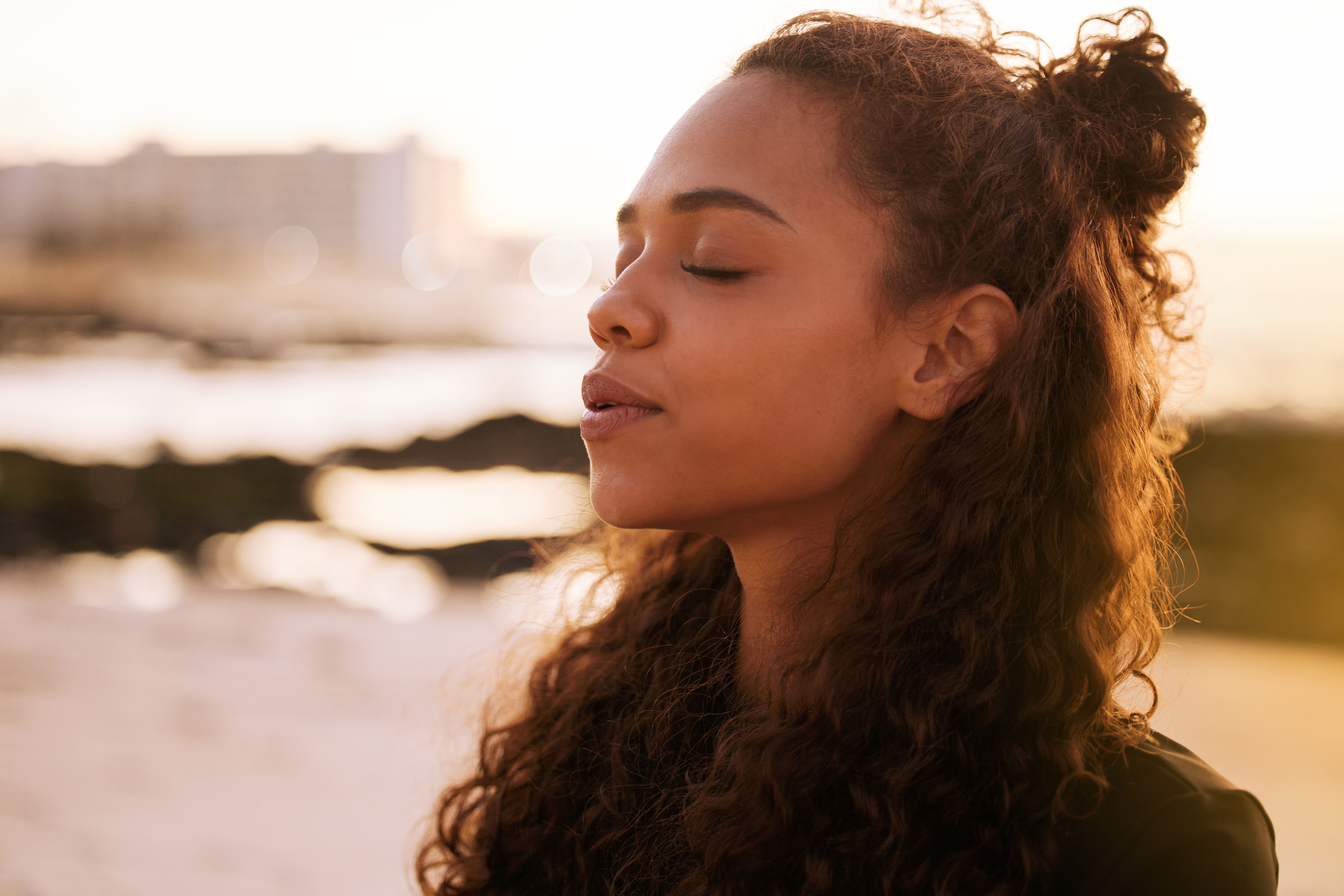
Mindful observation encourages you to engage with your surroundings fully. Choose an object, such as a flower or tree, and spend a few moments observing its details. Notice the colors, textures, and shapes without allowing your mind to wander. This exercise enhances focus and appreciation for the present moment.
Incorporating mindful observation into daily activities, like eating or walking, can transform mundane tasks into enriching experiences. By being fully present, you can discover new aspects of familiar routines, leading to a more joyful life.
Progressive Muscle Relaxation
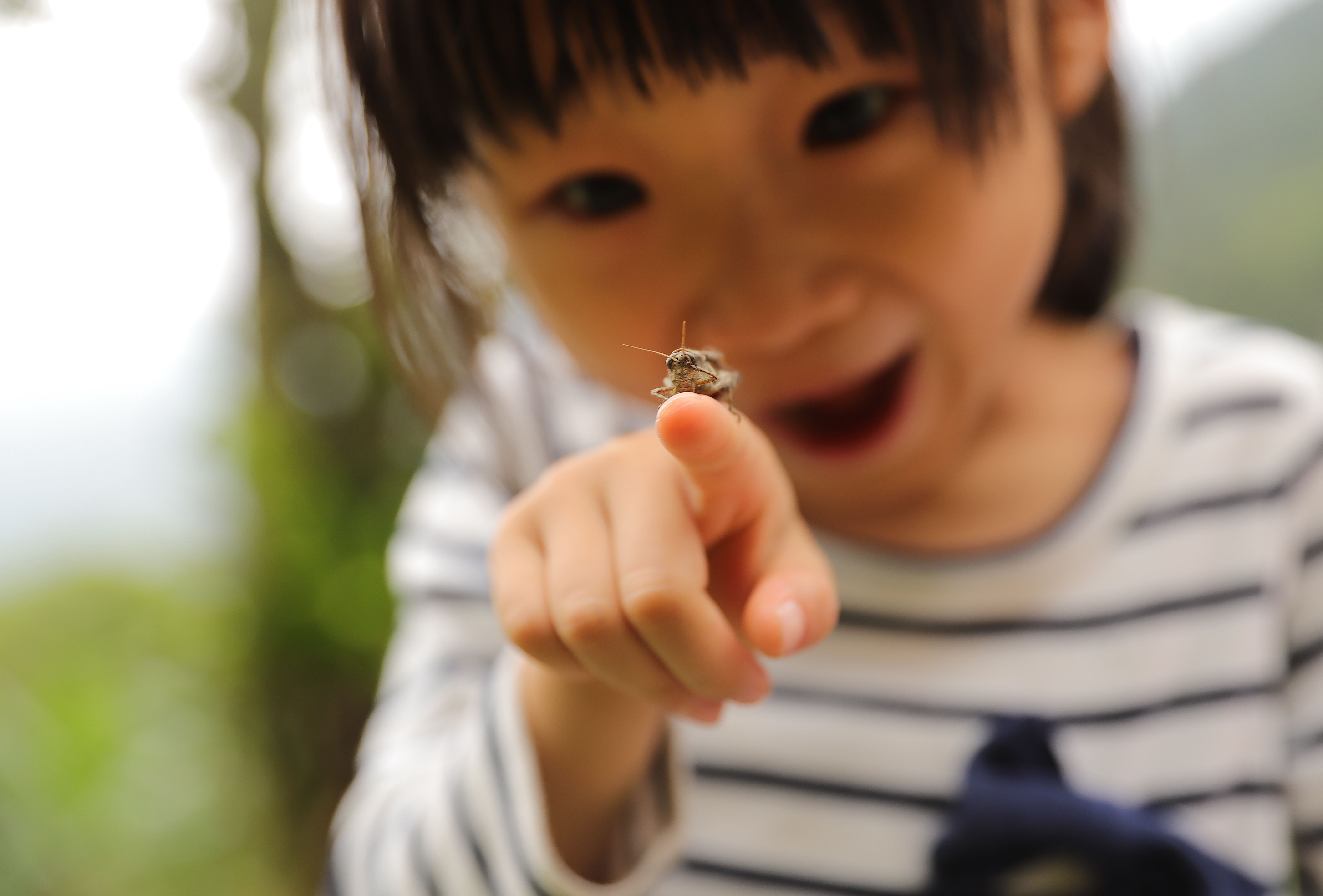
Progressive muscle relaxation (PMR) is a technique that involves tensing and relaxing different muscle groups. Start from your toes and work your way up to your head, tensing each muscle group for a few seconds before releasing. This practice helps in relieving physical tension and promotes a state of relaxation.
Regular practice of PMR can contribute to a greater sense of calm and reduced anxiety. It is particularly beneficial for those who experience chronic stress or muscle tension, providing a pathway to physical and mental tranquility.
Gratitude Journaling
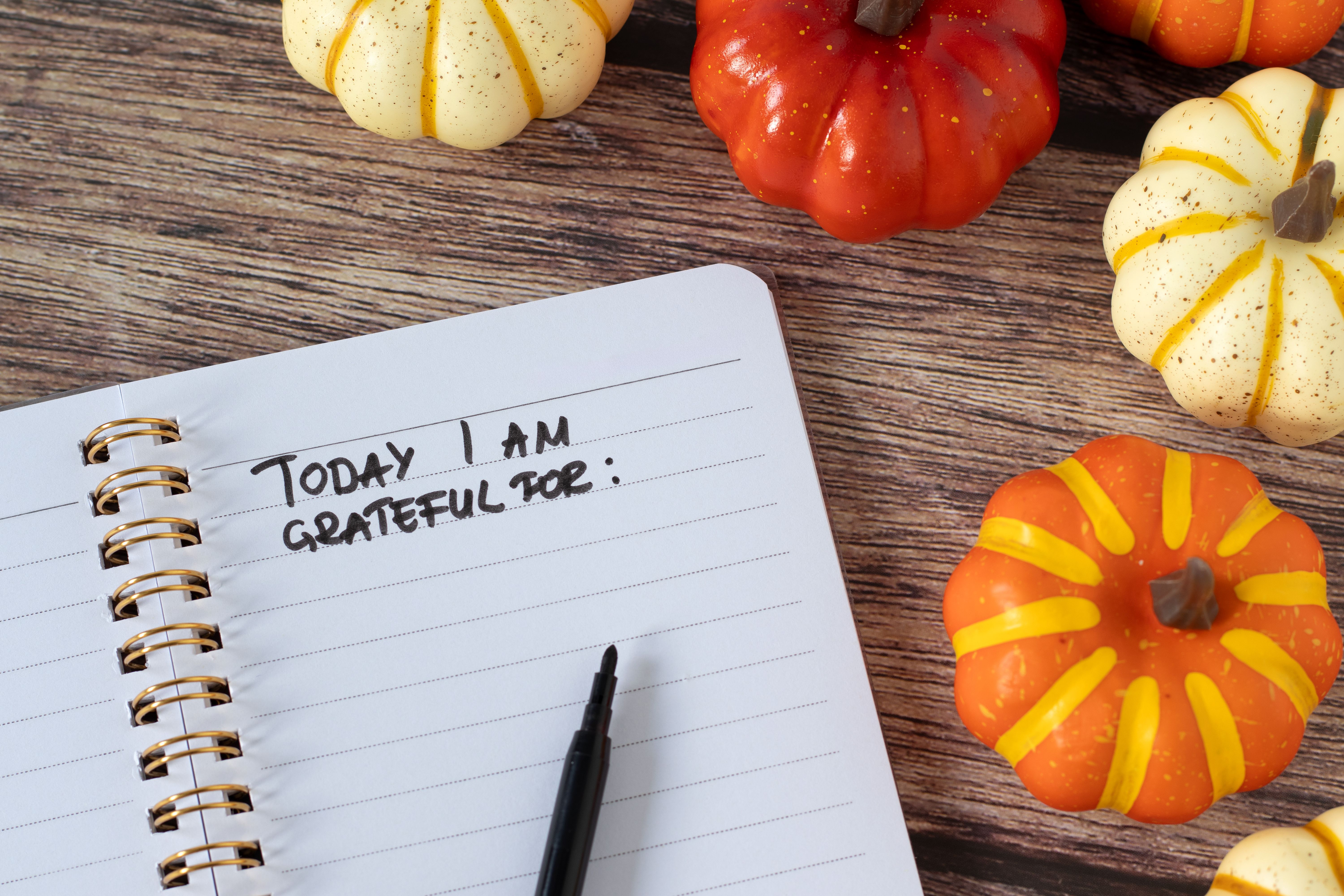
Gratitude journaling involves writing down things you're thankful for daily. This practice shifts focus from negative thoughts to positive experiences, fostering a mindset of abundance and appreciation. Start by noting three things you are grateful for each day, whether big or small.
Over time, gratitude journaling can lead to increased happiness and a more positive outlook on life. It encourages mindfulness by making you aware of the good in your life, helping you savor each moment with a grateful heart.