
E-books vs. Traditional Books: Which is Better for Personal Development?
Introduction to Personal Development
Personal development is a lifelong journey that involves improving skills, gaining knowledge, and enhancing personal qualities. People often turn to books as a primary resource for self-improvement. With the rise of technology, the debate between e-books and traditional books has become a hot topic. Which format is better for personal development?
Accessibility and Convenience
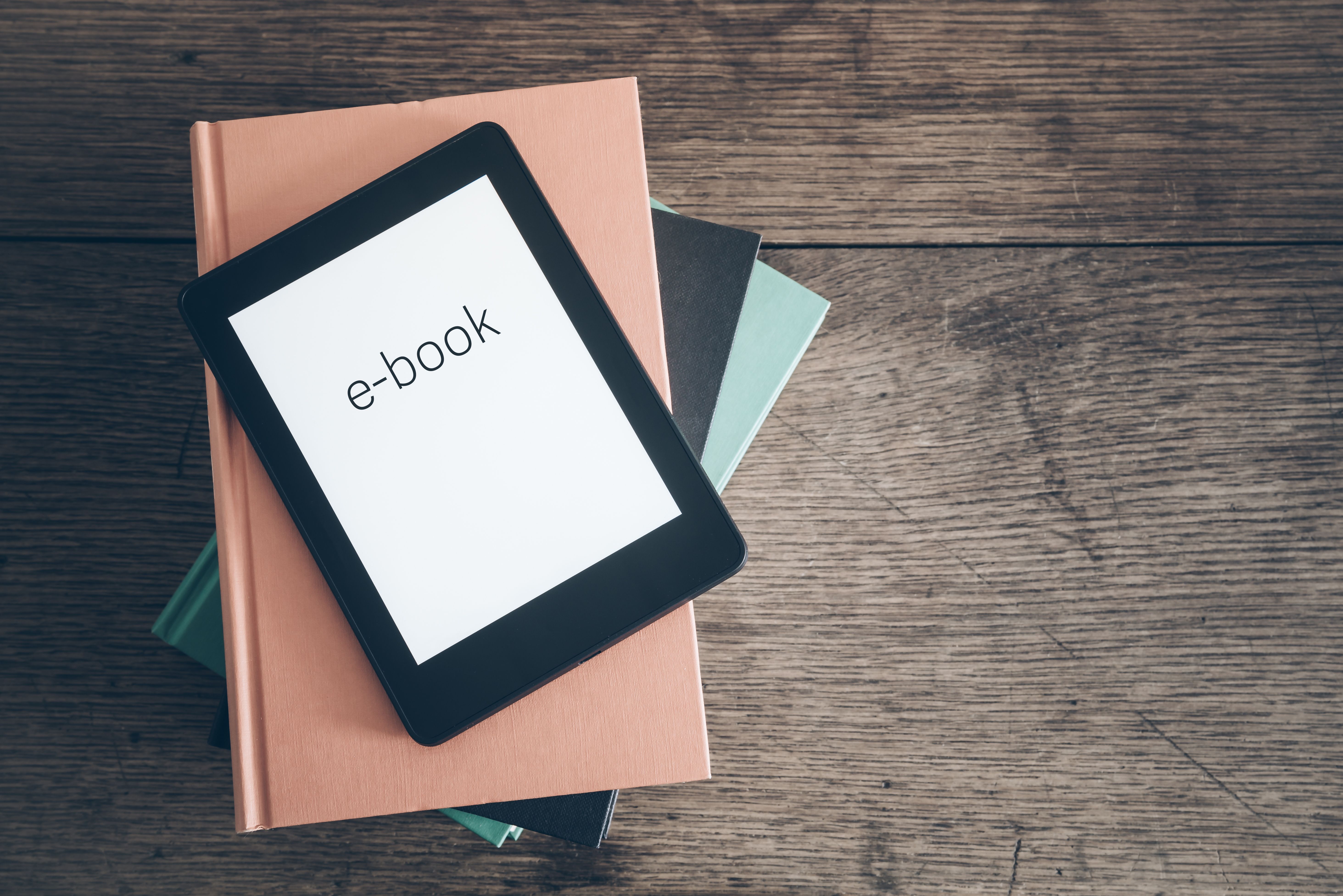
One of the main advantages of e-books is their accessibility. They can be downloaded instantly and stored on devices like tablets, smartphones, or e-readers. This convenience allows readers to carry an entire library with them, making it easier to read anytime and anywhere.
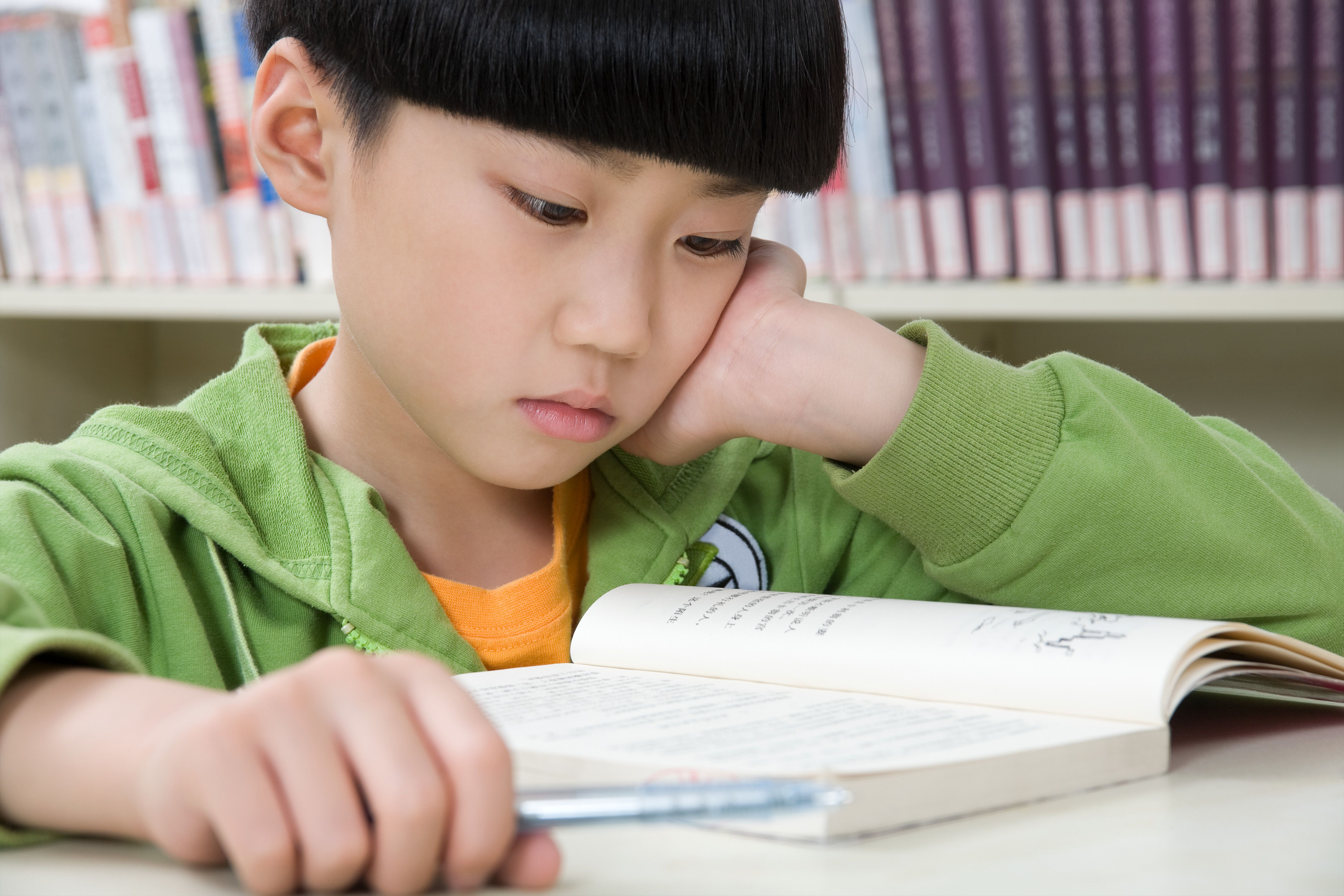
On the other hand, traditional books require physical space and can be cumbersome to carry around. However, many people find the tactile experience of holding a book and turning its pages more satisfying and engaging.
Reading Experience
The reading experience varies greatly between e-books and traditional books. E-books offer features like adjustable font sizes, built-in dictionaries, and search functions, which can enhance comprehension and retention. These tools can be especially helpful for those focused on personal development.
Traditional books, however, provide a sensory experience that many readers find irreplaceable. The scent of paper, the feel of the pages, and the ability to easily flip back and forth are aspects that some argue contribute to deeper concentration and understanding.
Cost and Environmental Impact
When it comes to cost, e-books often have the upper hand. They are generally cheaper than their physical counterparts, and there are many free e-books available online. This affordability can be a significant factor for those on a budget.
From an environmental perspective, e-books are more sustainable. They eliminate the need for paper and reduce the carbon footprint associated with printing and transportation. However, the production and disposal of electronic devices can offset some of these environmental benefits.

Learning and Retention
Studies have shown mixed results regarding learning and retention between e-books and traditional books. While some find that digital reading can lead to shorter attention spans, others appreciate the interactive elements that e-books offer.
Traditional books often facilitate better concentration and memory retention, as they encourage a more focused reading experience without digital distractions.
Conclusion: Finding the Right Balance
Ultimately, the choice between e-books and traditional books for personal development depends on individual preferences and goals. Some readers may prefer the convenience and features of e-books, while others might value the sensory experience and concentration benefits of traditional books.
Finding a balance that incorporates both formats could be the key to maximizing personal development. By leveraging the strengths of each, readers can create a personalized approach to learning and growth.