
E-books vs Traditional Books: Which is Better for Personal Development?
In today's fast-paced world, personal development is more crucial than ever. Whether you're looking to boost your career, improve your mental health, or learn new skills, reading is a powerful tool for personal growth. The debate between e-books and traditional books remains a hot topic, especially when it comes to personal development. Let's delve into the pros and cons of each format to determine which might be better for you.
Convenience and Accessibility
E-books offer unmatched convenience. With just a device and an internet connection, you can access thousands of titles instantly. This ease of access means you can read whenever and wherever you want, making it easier to incorporate reading into your daily routine. The portability of e-books allows you to carry an entire library in your pocket, ideal for those who travel frequently or have limited space.
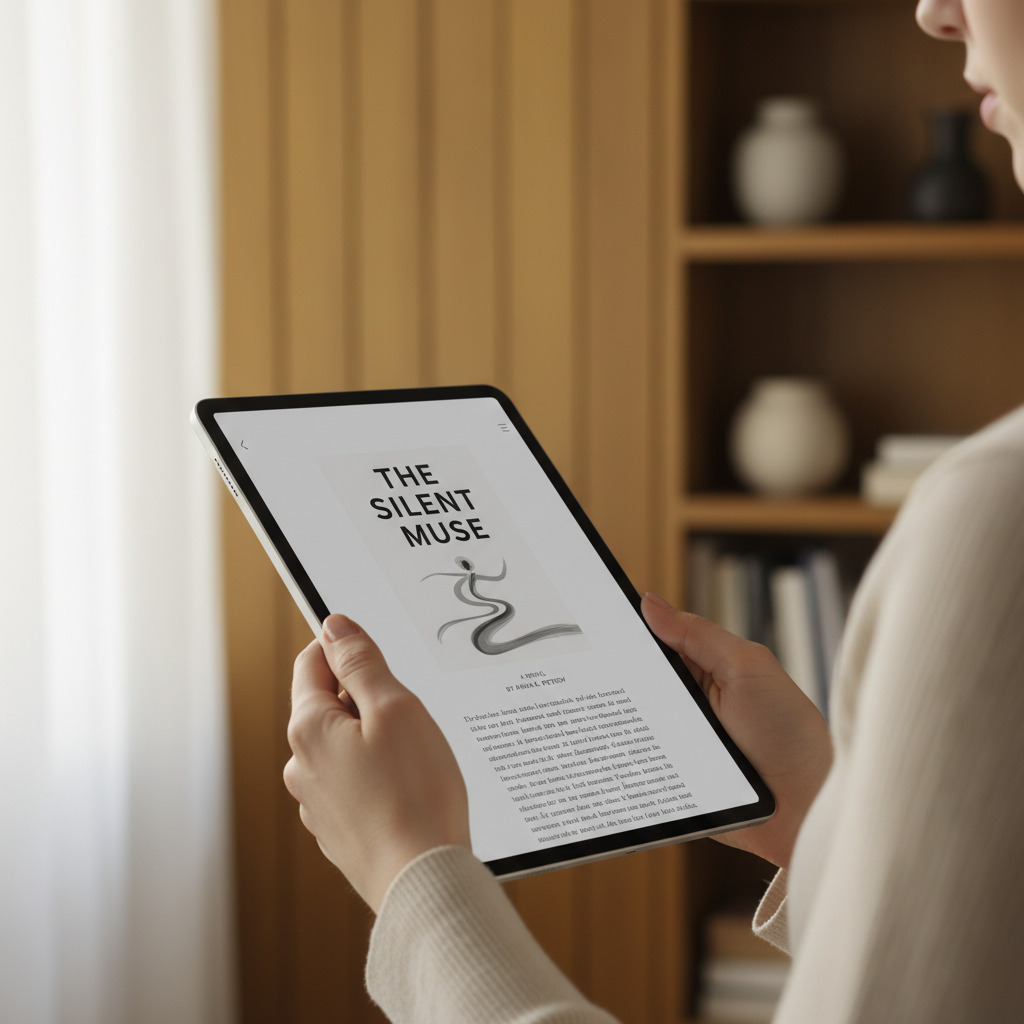
On the other hand, traditional books require physical space and often involve a trip to the bookstore or waiting for delivery. However, there's something uniquely satisfying about holding a physical book, turning its pages, and experiencing the tactile sensation of paper. For some, this tangible experience enhances focus and engagement.
Reading Experience and Comprehension
Studies suggest that reading comprehension and retention can differ between digital and print formats. Some people find that reading physical books helps them concentrate better, as there's less temptation to multitask or get distracted by notifications. The tactile nature of traditional books may also enhance memory retention, aiding personal development efforts.

E-books, with their adjustable fonts and backlit screens, can offer a customizable reading experience. Features like highlighting, note-taking, and search functions make it easier to revisit important sections, facilitating the learning process. However, extended screen time can lead to eye strain, which might hinder your ability to focus and absorb information effectively.
Cost and Environmental Impact
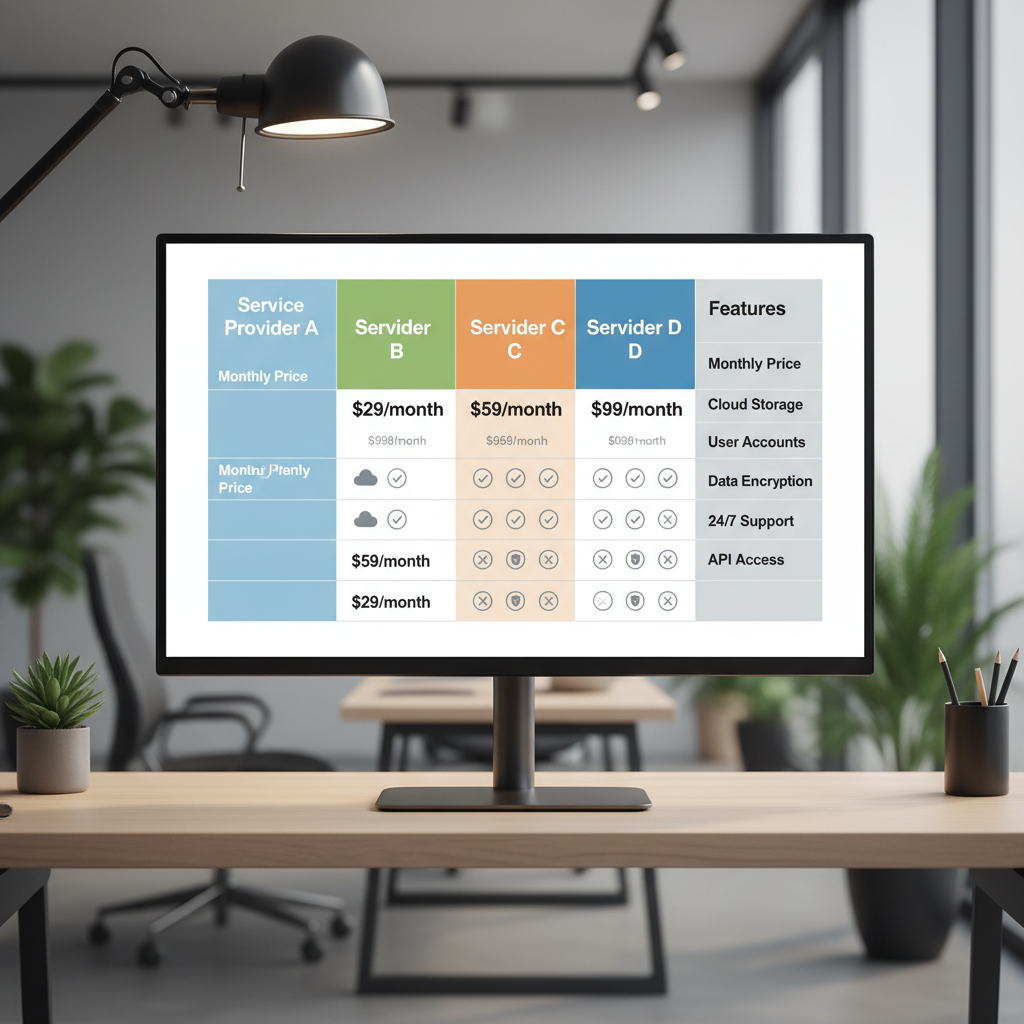
When it comes to cost, e-books often have the upper hand. They tend to be cheaper than their physical counterparts, and many public libraries offer free e-book lending services. This affordability can make it easier to access a wide range of personal development materials without breaking the bank.
From an environmental perspective, e-books have a smaller carbon footprint, as they don't require paper, ink, or transportation. However, the production and disposal of electronic devices do have environmental implications. Traditional books, on the other hand, are made from renewable resources and can be recycled or donated, extending their lifecycle.
Choosing the Right Format for You
The decision between e-books and traditional books ultimately depends on your personal preferences and lifestyle. Consider the following factors:
- Convenience: Do you need to read on the go?
- Reading habits: Do you prefer the tactile feel of a book?
- Budget: Are you looking for the most affordable option?
- Environmental concerns: How important is sustainability to you?
Both e-books and traditional books have unique advantages and drawbacks. By weighing these factors, you can choose the format that best supports your personal development journey.