
E-books vs Traditional Books: Choosing the Right Format for Personal Growth
E-books: A Modern Convenience
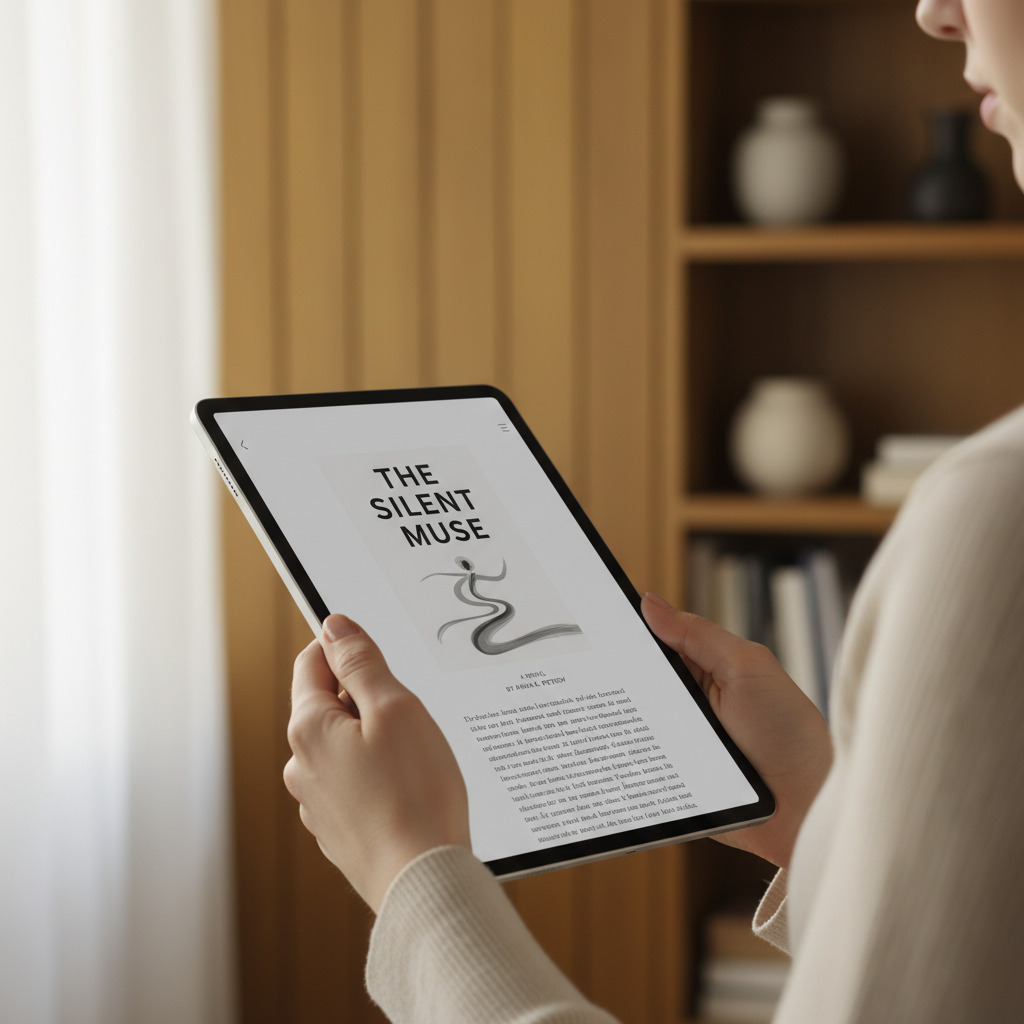
In today's fast-paced world, e-books have emerged as a convenient solution for readers everywhere. Their digital format allows for easy access on various devices, making it possible to carry an entire library in your pocket. For those who travel frequently, e-books provide an opportunity to read without the burden of carrying physical books.
One of the greatest advantages of e-books is their instant availability. With just a few clicks, you can download your next read without leaving your home. This immediacy is perfect for those who crave instant gratification or need access to a book for immediate study or reference.
Traditional Books: The Timeless Appeal
Despite the rise of digital alternatives, traditional books continue to hold a special place in the hearts of many readers. The tactile experience of turning pages and the distinctive smell of paper can make reading a more immersive experience. For some, these sensory details are an essential part of enjoying a book.
Moreover, traditional books do not require power or electronic devices, making them incredibly reliable. Whether you're at the beach or on a plane, a printed book won't run out of battery. This reliability ensures that you can focus entirely on your reading without technological interruptions.

Which Format is Better for Personal Growth?
When it comes to personal growth, both e-books and traditional books have their merits. The choice often depends on individual preferences and lifestyle. Here are some factors to consider:
- Learning Style: Some people retain information better from physical books, while others enjoy the digital format's flexibility.
- Accessibility: E-books offer features like adjustable text size and built-in dictionaries, which can be beneficial for learning.
- Environment: Consider where and when you read most often. E-books are great for on-the-go, while traditional books are ideal for a more relaxed setting.
Cost and Sustainability
Cost is another factor to consider. E-books can be more affordable over time, especially when considering the cost of physical books and potential shipping fees. Additionally, the environmental impact of producing and disposing of physical books makes e-books a more sustainable choice.
However, purchasing used books or borrowing from libraries are eco-friendly alternatives that allow you to enjoy traditional books with minimal environmental impact.

Enhancing Focus and Retention
For some, traditional books can enhance focus and retention, free from the distractions of notifications and other digital interruptions. If your goal is deep, focused learning, a traditional book might be the way to go.
On the other hand, e-books offer features like highlighting and note-taking, which can enhance study and retention. These tools allow readers to easily revisit key concepts and organize thoughts.
Conclusion: Finding Your Balance
Ultimately, the decision between e-books and traditional books for personal growth depends on your unique needs and situation. You might find that a combination of both formats serves you best, allowing you to enjoy the benefits of each.
Whether you prioritize convenience, cost, or the sensory experience of reading, the most important thing is to continue engaging with literature that inspires and educates. Embrace the format that best supports your journey of personal growth.