
E-books vs. Traditional Books: Which is Right for Your Learning Style?
In today's digital age, the debate between e-books and traditional books is more relevant than ever. Both formats have their unique advantages and appeal to different learning styles. Understanding which one suits you best can enhance your learning experience and help you retain information more effectively.
Advantages of E-books
E-books have gained popularity due to their convenience and accessibility. One of the biggest advantages is their portability. With an e-reader, tablet, or smartphone, you can carry an entire library without the weight of physical books.
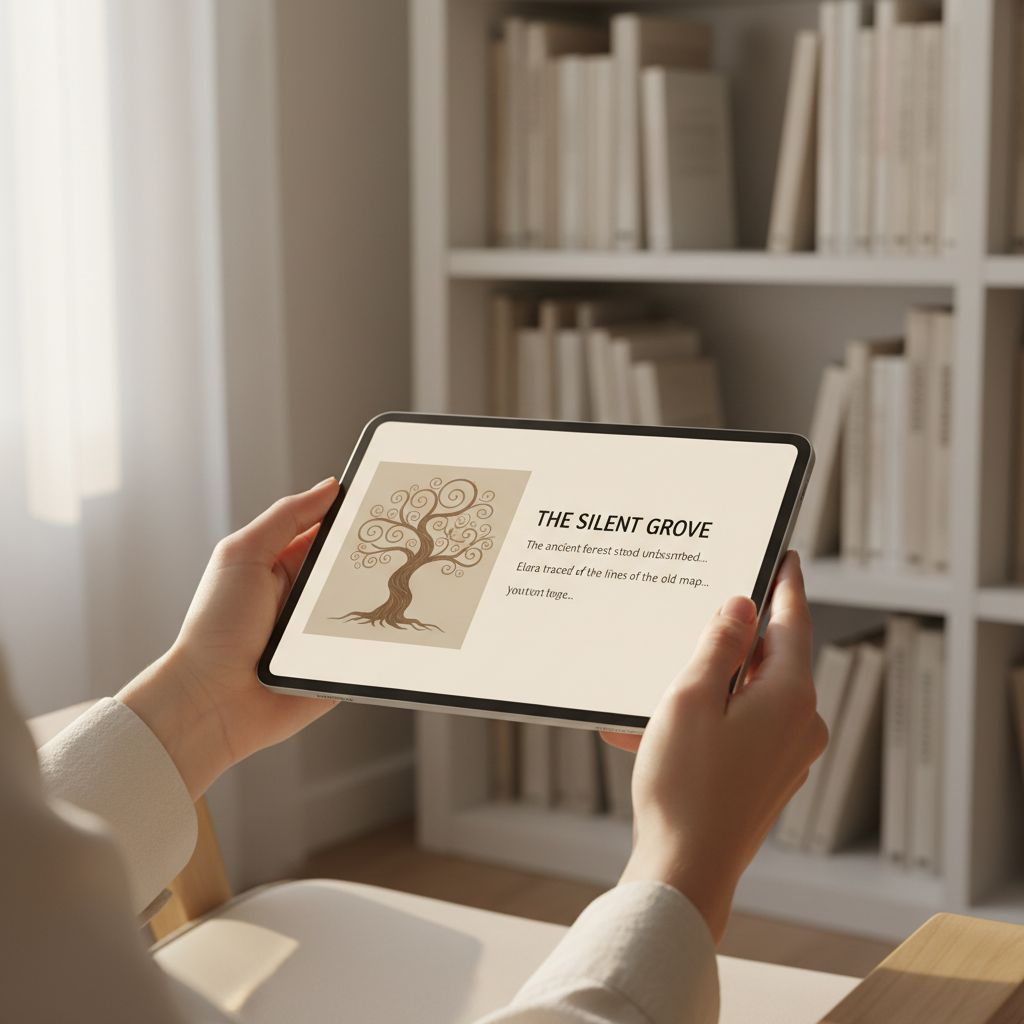
E-books often come with features that enhance the learning experience. For instance, many allow you to adjust font sizes, highlight text, and make notes. Some even offer interactive elements and multimedia content that can provide a richer understanding of the material.
Interactive Learning
For those who thrive on interactive learning, e-books can be a great choice. Features like hyperlinks, videos, and quizzes can make the material more engaging. This format is particularly beneficial for visual and auditory learners who prefer dynamic content over static text.
Advantages of Traditional Books
Despite the rise of digital media, traditional books remain a favorite for many. The tactile experience of holding a book, turning its pages, and even the smell of the paper can be comforting and nostalgic. This sensory engagement can enhance focus and retention for some learners.

Traditional books also provide a break from screens, which can be important for those who spend a lot of time on digital devices. For learners who prefer a distraction-free environment, the physical nature of books can be a significant advantage.
Deep Reading Experience
The act of deep reading, often associated with traditional books, involves immersive engagement with the text. This method encourages critical thinking and analysis, which can be beneficial for learners who enjoy pondering over the content and reflecting on its implications.

Choosing the Right Format for You
When deciding between e-books and traditional books, consider your personal learning style. Ask yourself the following questions:
- Do you prefer portability and convenience, or do you value the tactile experience of physical books?
- Are you a visual learner who benefits from interactive content, or do you prefer deep, uninterrupted reading?
- How important is it for you to have easy access to a wide range of books at any time?
By reflecting on these questions, you can determine which format aligns best with your learning preferences, ultimately enhancing your educational journey.