
E-books vs. Traditional Books: Which is More Effective for Learning?
In the digital age, the debate between e-books and traditional books has become more prominent, especially when it comes to learning. Both formats have their own set of advantages and disadvantages, making it essential to weigh them carefully.
Accessibility and Convenience
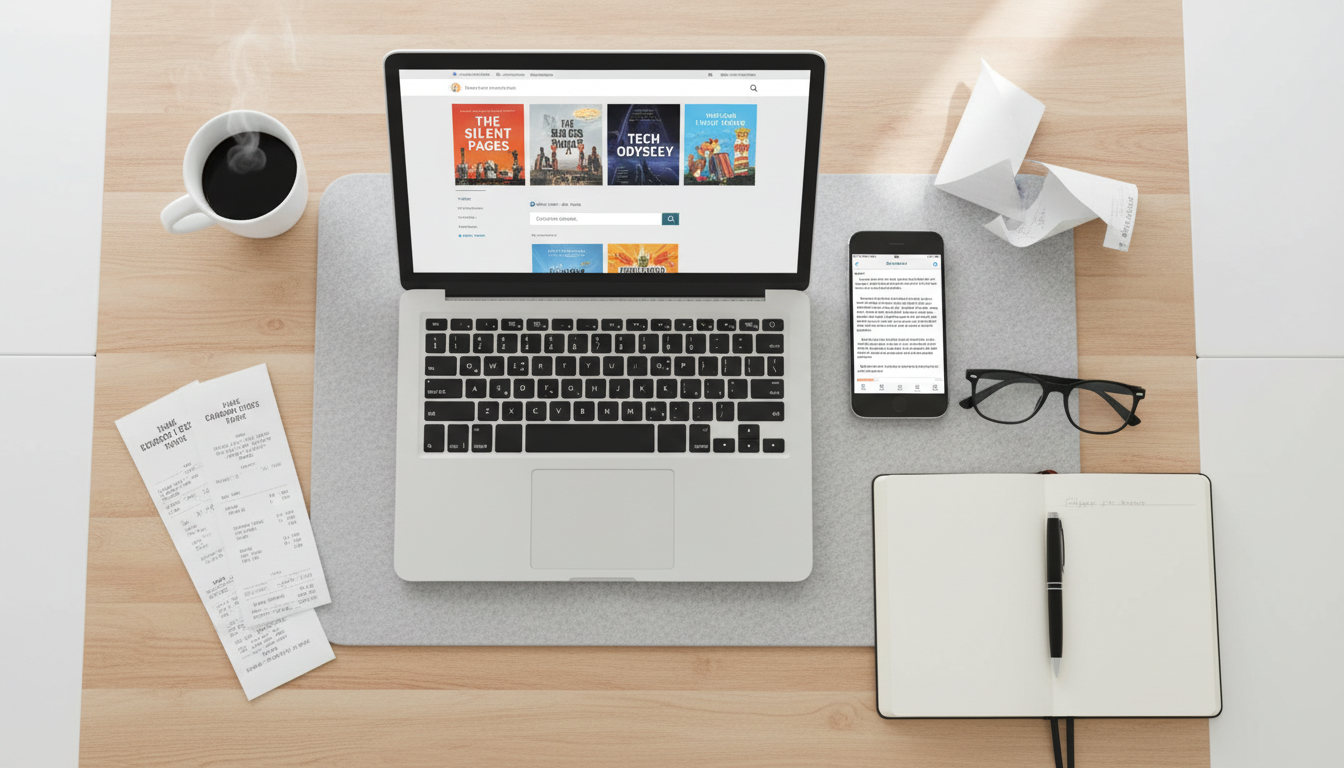
E-books provide a level of accessibility that traditional books simply cannot match. With just a few clicks, a vast library of information becomes available on a single device. This convenience is especially beneficial for students and professionals who need to access multiple resources without the burden of carrying physical books.
Traditional books, on the other hand, require physical space and can be cumbersome to transport. However, they offer a tactile experience that many readers find invaluable. The act of turning pages and annotating margins can enhance the learning process for some individuals.
Engagement and Retention
The way learners engage with material can significantly impact retention. E-books often come with interactive features, such as hyperlinks, multimedia content, and search functions, which can make learning more engaging. These features allow for a more dynamic interaction with the material.
However, some studies suggest that reading on screens can lead to lower comprehension and retention compared to reading from paper. The physical nature of traditional books can lead to better focus, helping learners absorb information more effectively.
Environmental Impact
When considering the environmental impact, e-books have a clear advantage. They eliminate the need for paper, ink, and shipping, reducing the carbon footprint associated with traditional book production. This can be an important consideration for environmentally conscious learners.

Traditional books, while requiring physical resources, can be recycled and have a longer lifespan if well-maintained. Libraries and second-hand stores further extend the lifecycle of physical books, offering a sustainable option for readers.
Cost Considerations
Cost is another factor that influences the choice between e-books and traditional books. E-books are often cheaper due to the absence of printing and distribution costs. Many publishers also offer discounts and bundle deals on digital platforms, making them an attractive option for budget-conscious learners.
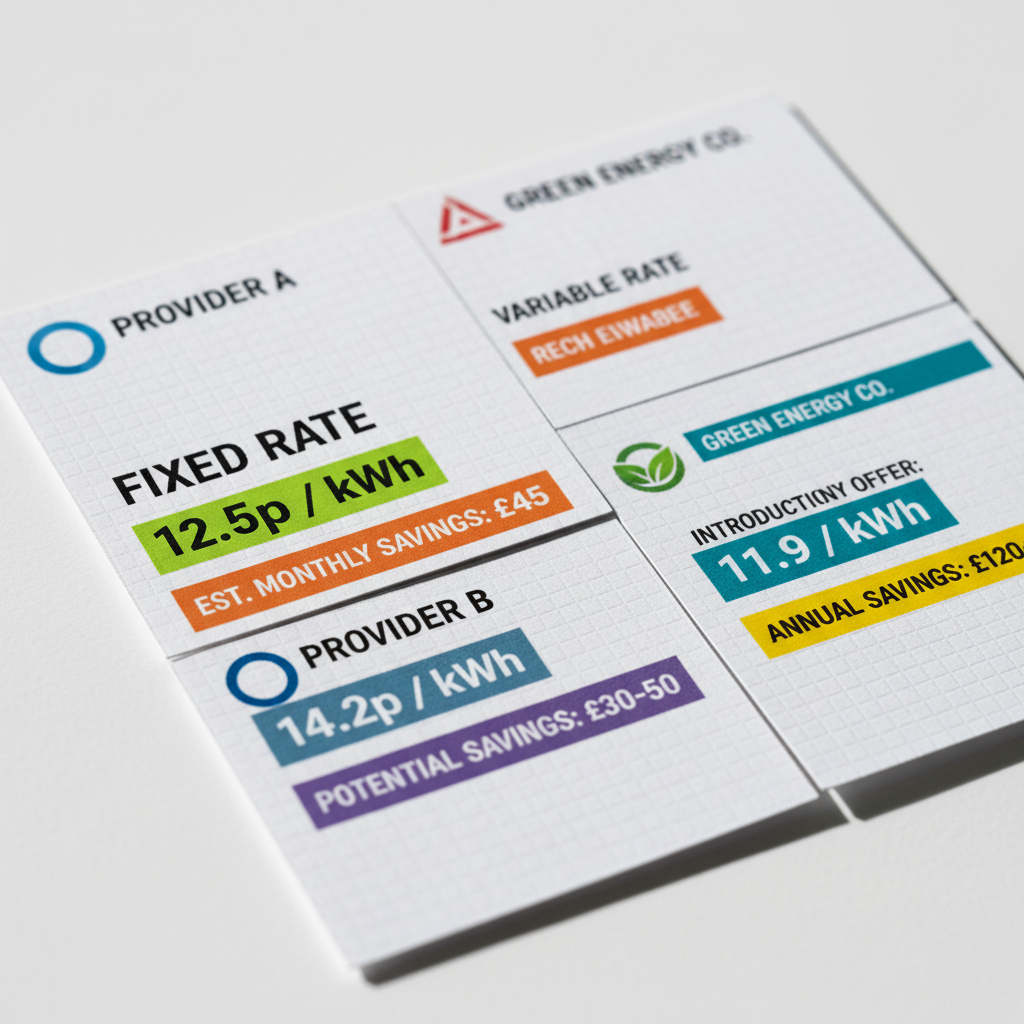
Conversely, traditional books can be more expensive, but they hold resale value and can be shared or gifted. For some, the investment in a physical book is worthwhile for the lasting value it provides.
Conclusion
Ultimately, the choice between e-books and traditional books for learning depends on individual preferences and priorities. For those who value convenience and interactivity, e-books may be the better option. Meanwhile, learners who prefer a tactile experience and potentially better retention might favor traditional books.
Both formats offer unique benefits, and many learners find a combination of both to be the most effective strategy. As technology continues to evolve, the lines between these two formats may blur, offering even more innovative ways to learn.