
E-books vs. Traditional Books: What’s Best for Your Learning Style?
The Rise of E-books
In recent years, e-books have surged in popularity. With the rise of digital devices, accessing a vast library of books has never been easier. E-books offer a level of convenience that traditional books cannot match, allowing readers to carry thousands of titles on a single device. This accessibility opens up a world of learning opportunities, especially for those on the go.
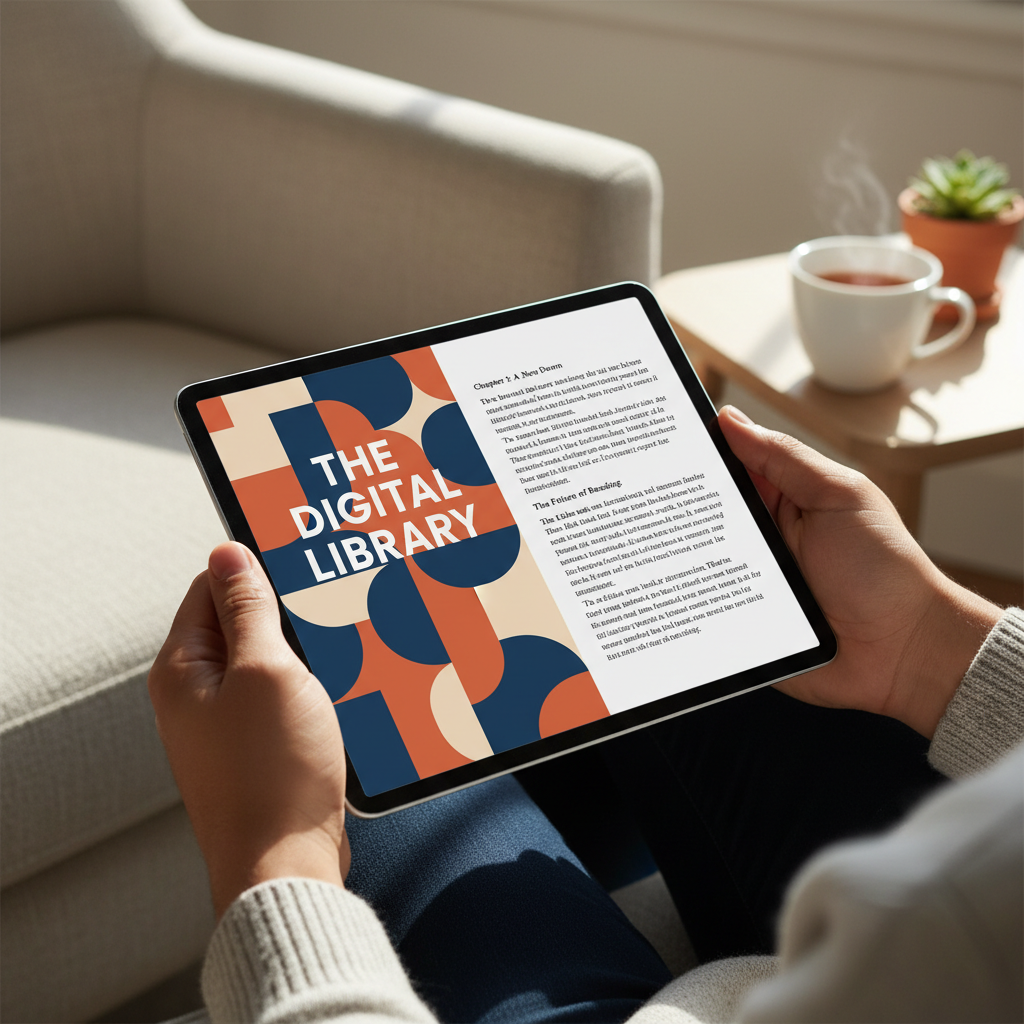
One of the major advantages of e-books is their interactive features. Many e-books come with hyperlinks, multimedia elements, and search functions, making them ideal for learners who thrive on interactivity. These features can enhance understanding and retention, offering an engaging learning experience.
The Timeless Appeal of Traditional Books
Despite the digital revolution, traditional books maintain a strong presence. The tactile experience of holding a physical book, flipping through its pages, and the distinct smell of paper are irreplaceable for many. This sensory engagement can enhance focus and concentration, benefiting those who learn best in a distraction-free environment.

Traditional books also offer a respite from screen time. In an era where screens dominate our daily lives, taking a break with a physical book can be a refreshing change. This can be particularly beneficial for those who experience digital fatigue or eye strain from prolonged screen exposure.
Comparing Learning Styles
When it comes to learning styles, personal preference plays a significant role. Here are some factors to consider:
- Visual learners might appreciate the colorful displays and multimedia of e-books.
- Kinesthetic learners often benefit from the tangible interaction with physical books.
- Auditory learners can utilize e-books with audio features for an immersive experience.
Environmental and Cost Considerations
Another important aspect to consider is the environmental impact. E-books are more sustainable as they eliminate the need for paper, reducing deforestation. On the other hand, the production and disposal of electronic devices also contribute to environmental issues.

In terms of cost, e-books are often more affordable. They eliminate printing and distribution expenses, making them an economical choice for avid readers. Traditional books, however, can hold value over time, especially rare or collectible editions.
Making the Right Choice
Ultimately, the decision between e-books and traditional books depends on individual learning styles and preferences. Here are some questions to help guide your choice:
- Do you prefer the convenience of carrying multiple books on a single device?
- Are you looking for interactive features to enhance your learning?
- Do you value the sensory experience of reading a physical book?
By considering these factors, you can choose the format that best supports your educational journey and personal preferences.