
E-book vs. Traditional Coaching: Which is Right for You?
Understanding E-books and Traditional Coaching
When it comes to personal and professional development, choosing the right learning method can make all the difference. Two popular options are e-books and traditional coaching. Each has its own set of benefits and drawbacks. Understanding these can help you make an informed decision that aligns with your goals and learning style.
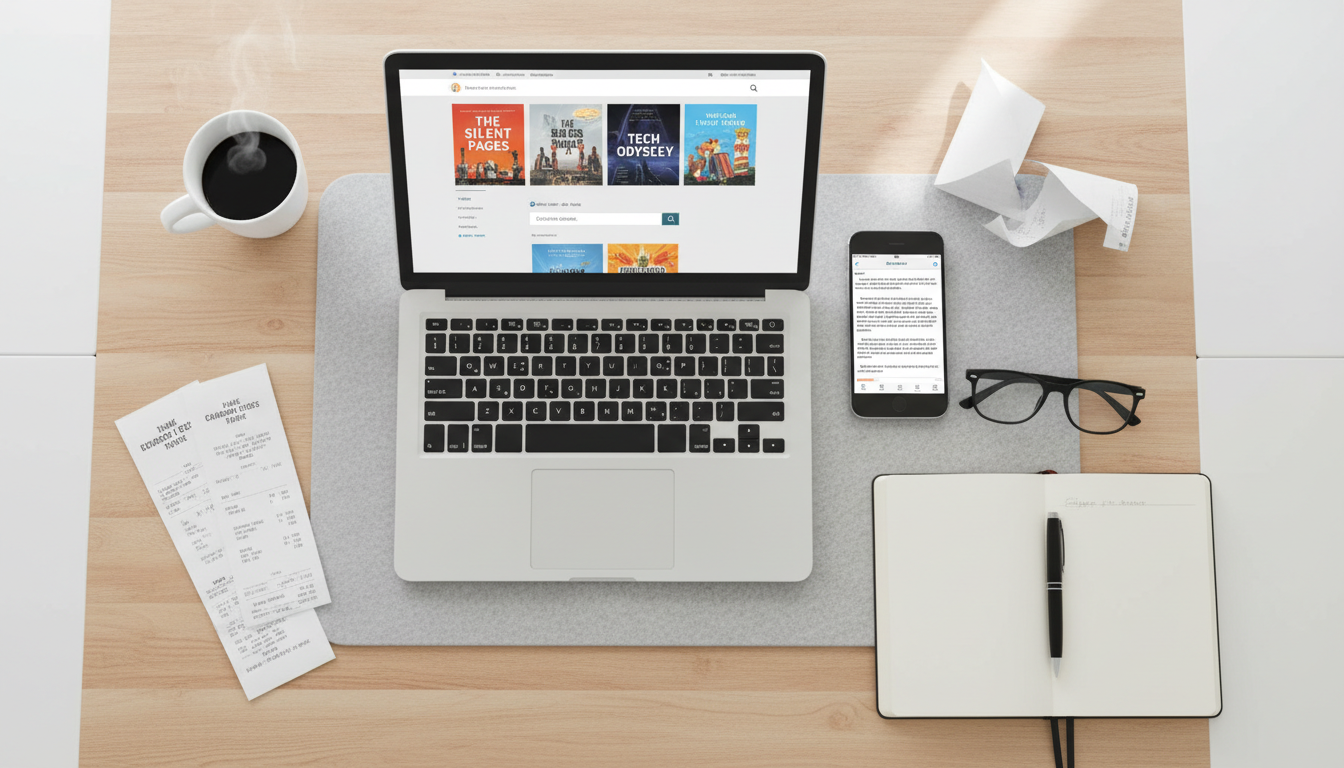
Benefits of E-books
E-books are a convenient and cost-effective way to gain knowledge. They are accessible from anywhere, allowing you to learn at your own pace. This flexibility makes them an attractive option for busy individuals who may not have a regular schedule.
Additionally, e-books often cover a wide range of topics and can be a great resource for self-directed learners. The ability to highlight, bookmark, and search for specific information adds to their appeal. Furthermore, e-books are generally more affordable than traditional coaching, making them accessible to a wider audience.
Drawbacks of E-books
However, e-books lack the personalized feedback and interaction that traditional coaching offers. Learning from an e-book requires a high level of self-discipline and motivation. Without the guidance and encouragement from a coach, some individuals may find it challenging to stay on track.

Benefits of Traditional Coaching
Traditional coaching provides a tailored learning experience. Coaches can adapt their teaching methods to suit your unique needs and help you overcome specific challenges. This personalized approach often leads to faster progress and deeper understanding.
Moreover, coaches offer accountability and support, which can be crucial for achieving long-term goals. The interactive nature of coaching sessions also allows for immediate feedback and clarification of doubts, enhancing the learning experience.
Drawbacks of Traditional Coaching
On the downside, traditional coaching can be expensive and time-consuming. It often requires a commitment to regular sessions, which may not be feasible for everyone. Additionally, finding the right coach who aligns with your goals and learning style can be a daunting task.

Which Option is Right for You?
The choice between e-books and traditional coaching depends largely on your personal preferences, goals, and circumstances. If you are self-motivated and prefer a flexible learning schedule, e-books might be the right choice. On the other hand, if you value personalized guidance and accountability, traditional coaching could be more beneficial.
Consider Your Learning Style
Think about how you learn best. Do you thrive on interaction and feedback, or do you prefer to absorb information independently? Understanding your learning style can help you make the best decision.
Evaluate Your Goals
Consider what you hope to achieve. If your goals are highly specific or require significant behavioral change, traditional coaching might be more effective. For general knowledge acquisition, e-books could suffice.
Ultimately, the decision between e-books and traditional coaching should reflect your unique needs and circumstances. By weighing the pros and cons of each, you can choose a path that will best support your journey towards growth and success.