E-Book vs. Traditional Books: Which is Right for Your Learning Style?
Introduction to Learning Styles
As technology continues to evolve, so do the methods we use for learning. The debate between e-books and traditional books has been ongoing, with each offering unique benefits and challenges. Understanding your personal learning style can help you determine which format might be more effective for you.

Advantages of E-Books
Portability and Accessibility
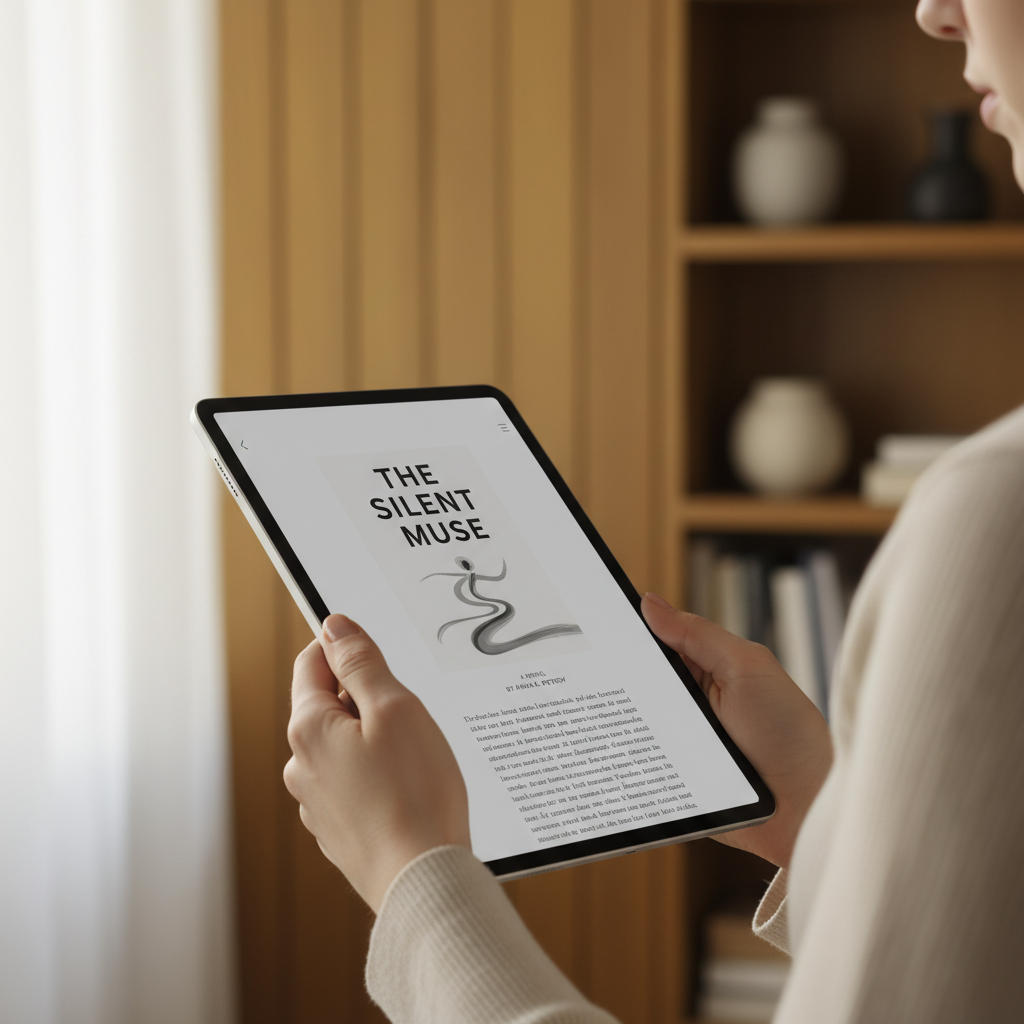
E-books offer unmatched convenience. Carrying an entire library in a single device means you can study anytime, anywhere. This is particularly beneficial for students and professionals who are constantly on the move.
Interactive Features
Many e-books come with interactive elements such as hyperlinks, multimedia, and note-taking capabilities. These features can enhance understanding and engagement, especially for visual and auditory learners.
Benefits of Traditional Books
Tactile Experience
For many, the physical feel of a book is irreplaceable. The act of turning pages and the scent of paper can make reading a more immersive experience. This tactile interaction can aid memory retention for kinesthetic learners.
Reduced Screen Time
Reading from a traditional book eliminates the eye strain and fatigue associated with prolonged screen use. This can be a significant advantage for those who spend much of their day in front of digital devices.

Comparing the Costs
While e-books often have a lower upfront cost, traditional books can be a more cost-effective choice over time, especially when purchased second-hand or borrowed from a library. Consider your budget and frequency of reading when making a decision.
Environmental Impact
In terms of environmental sustainability, e-books reduce the need for paper and physical resources. However, the energy consumption of digital devices and the e-waste they produce can offset these benefits. Traditional books, on the other hand, require physical materials but are often recycled and reused.
Conclusion: Finding the Right Fit
Ultimately, the choice between e-books and traditional books depends on your personal preferences and learning style. Experimenting with both formats may help you find the perfect balance. Whether you prefer the convenience of a digital library or the tangible experience of paper, there's no wrong choice.