
Common Misconceptions About E-books: What You Need to Know
The Rise of E-books
The digital revolution has transformed the way we consume information, and e-books are at the forefront of this change. However, despite their growing popularity, there are still many misconceptions surrounding e-books. Understanding these myths can help both readers and authors make informed decisions.
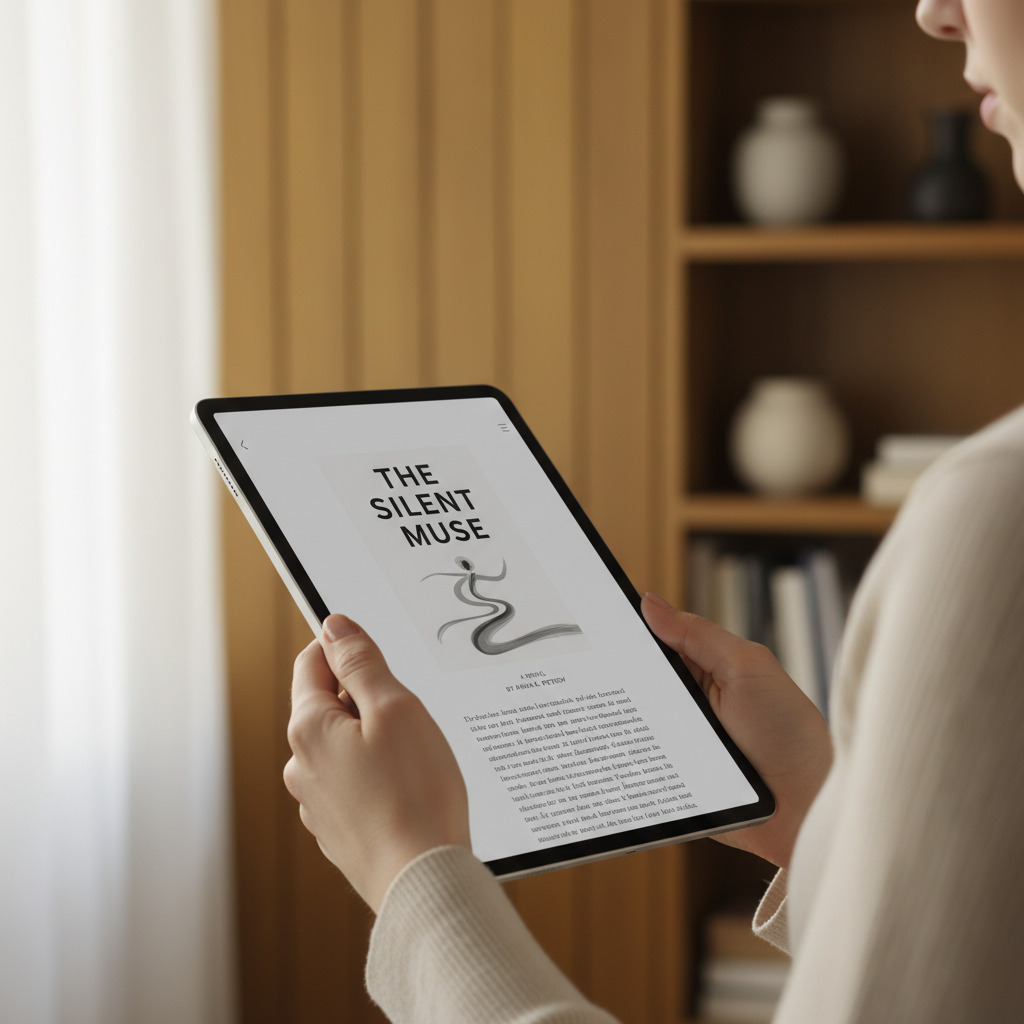
Misconception 1: E-books Are Only for Tech-Savvy Users
One common myth is that e-books are only for those who are technologically inclined. This couldn't be further from the truth. Modern e-readers are designed to be user-friendly and accessible to people of all ages and tech abilities. Many devices offer features like adjustable text size and backlighting, making reading easier for everyone.
Additionally, e-books can be accessed on multiple platforms, including smartphones, tablets, and computers, which most people already use daily. This versatility makes e-books more convenient and accessible than ever before.
Misconception 2: E-books Lack the Aesthetic Appeal of Physical Books
Another misconception is that e-books don't provide the same sensory experience as physical books. While it's true that you can't feel the pages or smell the paper, e-books offer their own set of advantages. For instance, they allow you to carry an entire library in your pocket, making them ideal for travelers and avid readers who value convenience.

Moreover, many e-books come with interactive features, such as hyperlinks, multimedia content, and note-taking capabilities, enriching the reading experience in ways that physical books cannot.
Misconception 3: E-books Are Prone to Piracy
Concerns about piracy often deter authors and publishers from embracing e-books. However, digital rights management (DRM) technologies have made significant strides in protecting digital content. While no system is entirely foolproof, DRM provides a robust layer of security that helps safeguard authors' and publishers' intellectual property.
Furthermore, reputable e-book platforms invest heavily in security measures to ensure that their content is protected, giving both authors and readers peace of mind.
The Environmental Impact
It's worth noting that e-books have a lower environmental impact compared to traditional books. They eliminate the need for paper, ink, and physical transportation, making them a more sustainable choice for eco-conscious readers.

By reducing the demand for paper, e-books contribute to the conservation of forests and decrease the carbon footprint associated with book production and distribution.
Misconception 4: E-books Are Expensive
Some people believe that e-books are overpriced, especially considering the lack of physical materials. However, e-books often cost less than their printed counterparts. The absence of printing and shipping costs allows publishers to offer e-books at more competitive prices, making them an affordable option for many readers.
Moreover, numerous e-books are available for free or at discounted rates through libraries and online platforms, further increasing their accessibility.
The Future of Reading
As technology evolves, e-books are likely to become even more integrated into our reading habits. Understanding and debunking common misconceptions can help us embrace the benefits they offer, from convenience and accessibility to sustainability and affordability.
Ultimately, e-books represent a significant advancement in the way we consume literature, and their potential is only beginning to be realized.